



Best Sellers4 min read
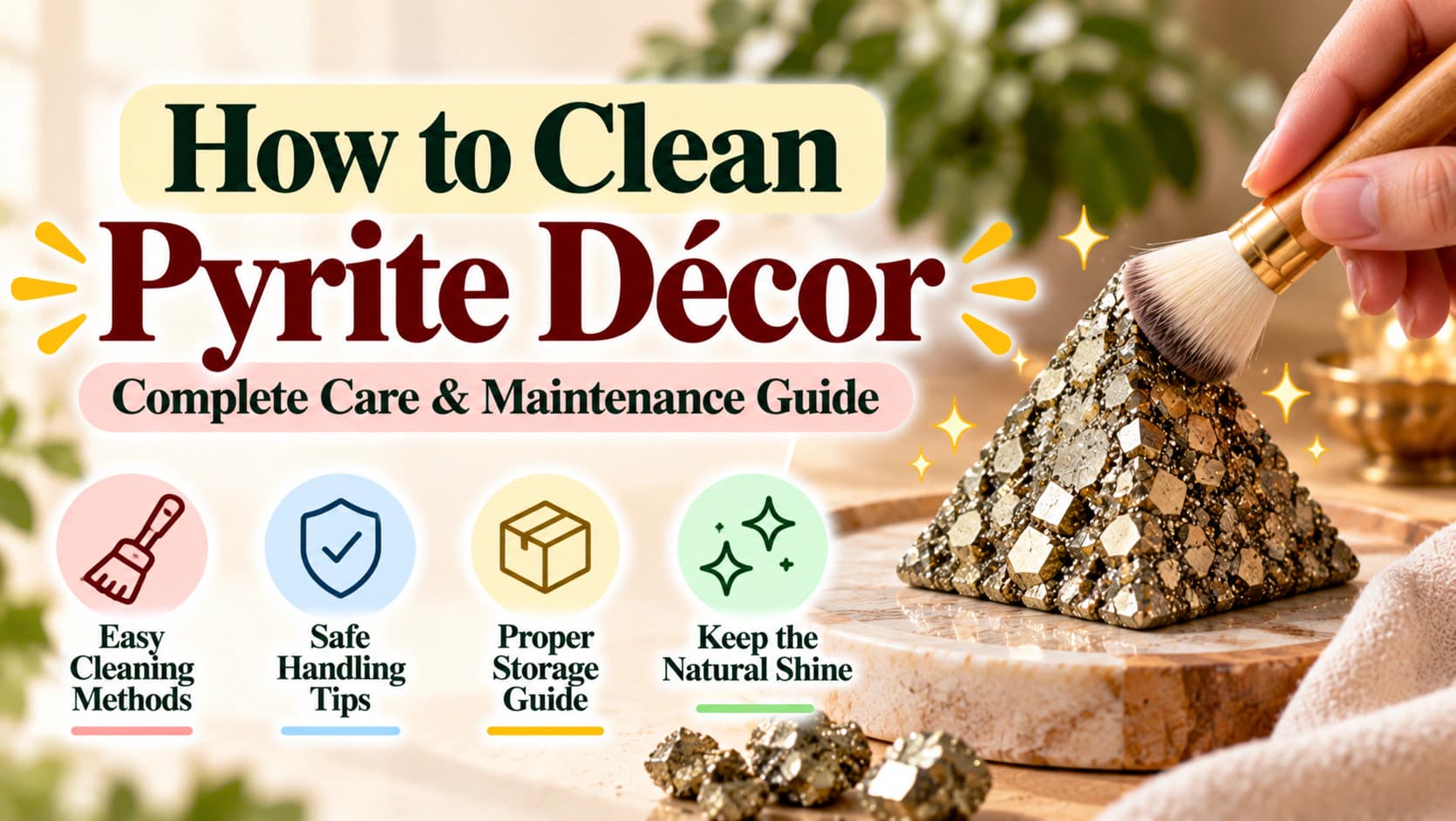
How to Clean Pyrite Décor: Tips for Dusting, Handling & Storage
Learn how to clean Pyrite décor effectively with our comprehensive guide. Discover dusting, handling, and storage tips for maintaining its beauty.
Read article🎉 100% CASHBACK ON EVERY ORDER — SHOP NOW!
Learn how to identify crystals and avoid common look-alikes with this comprehensive guide, featuring tips on appearance, texture, and more.
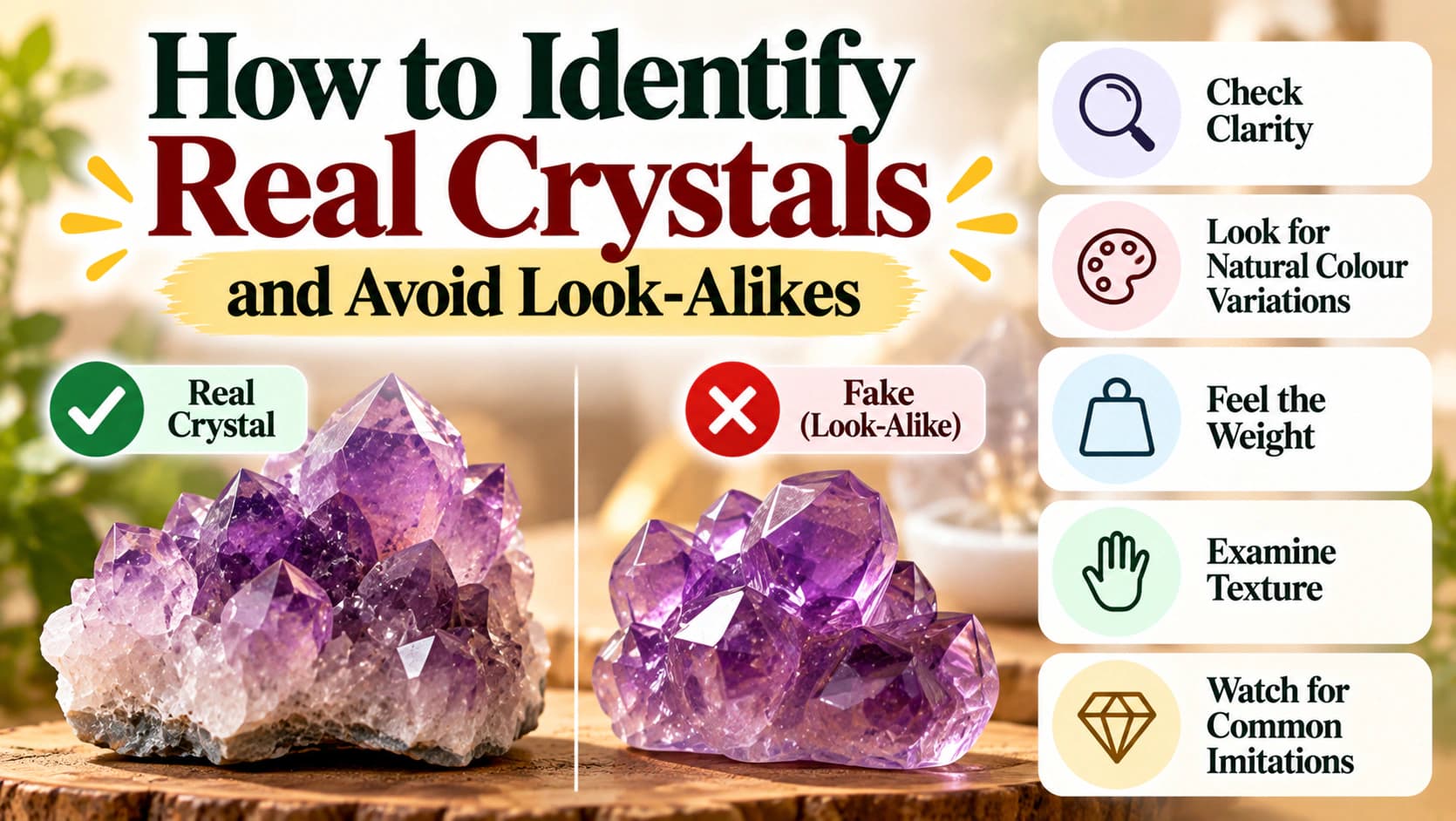
When shopping for crystals online, it’s essential to know how to identify crystals and distinguish them from common look-alikes. This guide will help you understand the key characteristics that set genuine crystals apart from imitation stones, ensuring you make informed choices.
The first step in identifying crystals is to examine their appearance closely. Genuine crystals have unique visual features that can help you differentiate them from look-alikes.
Real crystals can have natural colour variations, which can be a useful clue in identifying them.
The texture of a crystal can provide important clues about its authenticity. Understanding the texture can help you identify crystals that are genuine.
Weight can also be a telling factor. Genuine crystals tend to be heavier than their synthetic counterparts.
Many stones can mimic the appearance of genuine crystals. Here’s how to identify them:
There are simple tests you can conduct to check the authenticity of a crystal.
When shopping for crystals online, keep these tips in mind to ensure you make the right purchase.
Compare multiple images of the same stone to see how the colour and clarity appear in different lighting.
Understanding the basics of gemstone identification can enhance your crystal shopping experience.
Familiarize yourself with the Mohs hardness scale, which ranks minerals based on their ability to scratch.
Light can reveal many characteristics of a crystal that are not visible to the naked eye.
Hold the crystal up to a light source to check its translucency and how light passes through.
When shopping for crystals, sometimes your intuition can guide you.
Look for feedback from other customers to gauge the reliability of the seller and the quality of their products.
By understanding how to identify crystals and recognizing common look-alikes, you can make confident purchases online. Always remember to trust your instincts and seek out reliable sellers.
For a deeper dive into building your crystal collection, check out our Beginner's Crystal Collection Guide. You may also find our Raw vs Polished Crystals article helpful in understanding different crystal forms.
If you’re interested in enhancing your collection, consider our Raw Rose Quartz Crystals, perfect for nurturing love and emotional healing. Additionally, our Tiger Eye Raw Crystals can enhance clarity and focus in your life.
Key features include crystal clarity, transparency, colour variations, and surface texture. Genuine crystals often have unique patterns and a natural feel.
Examine the stone for clarity, weight, and texture. Genuine crystals are usually heavier and have natural imperfections, while look-alikes may feel lighter and appear too uniform.
You can perform scratch tests with glass, check for weight differences, and observe how light passes through the stone to determine its authenticity.
Common look-alikes include glass and plastic stones, which may appear shiny but lack depth and natural variations found in genuine crystals.
Product descriptions are crucial for understanding the stone's origin and characteristics. Look for detailed descriptions and certifications of authenticity.
Learn how to clean Pyrite décor effectively with our comprehensive guide. Discover dusting, handling, and storage tips for maintaining its beauty.
Read article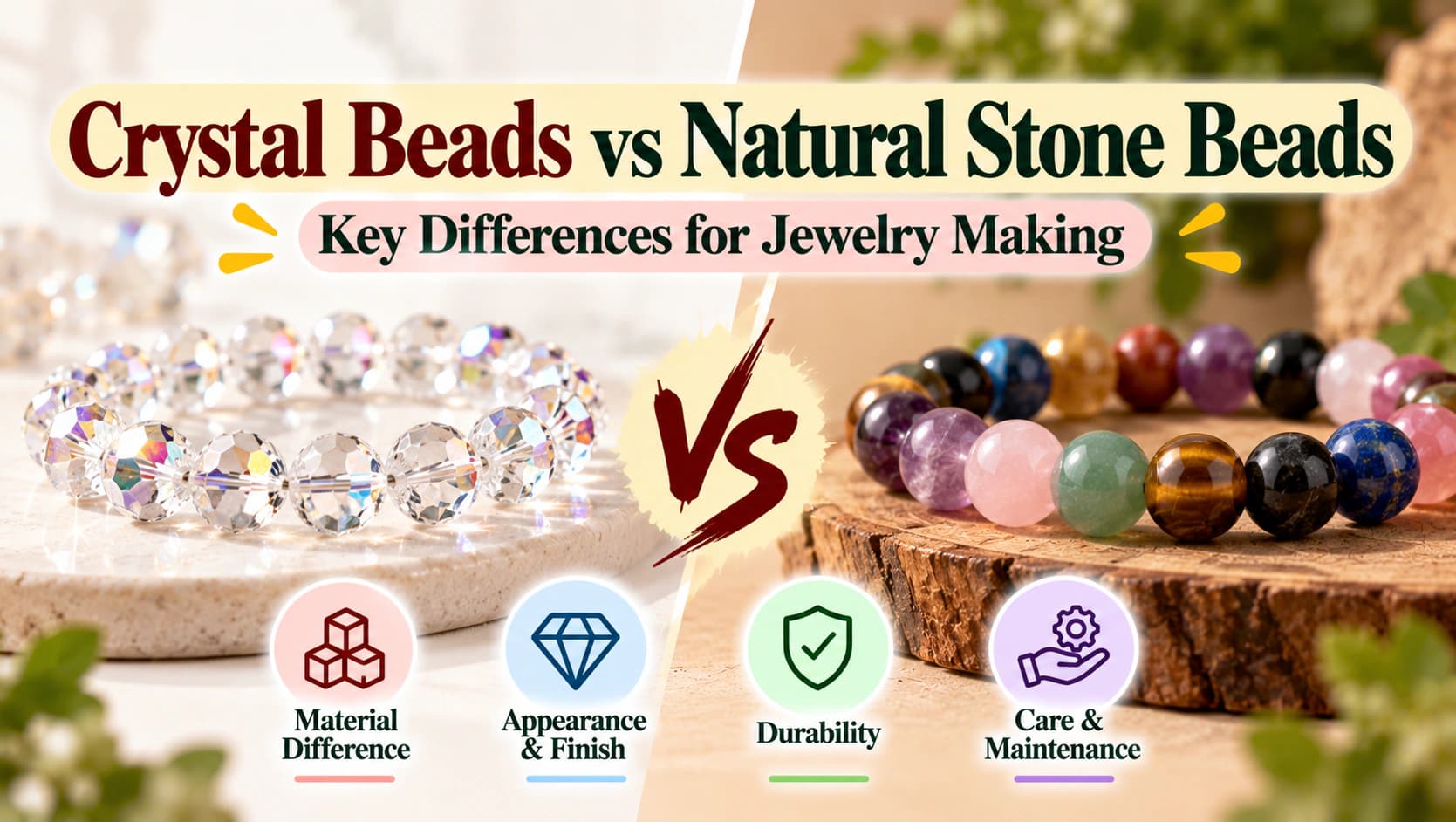
Explore the differences between crystal beads and natural stone beads, including materials, finishes, and care tips for your jewelry.
Read article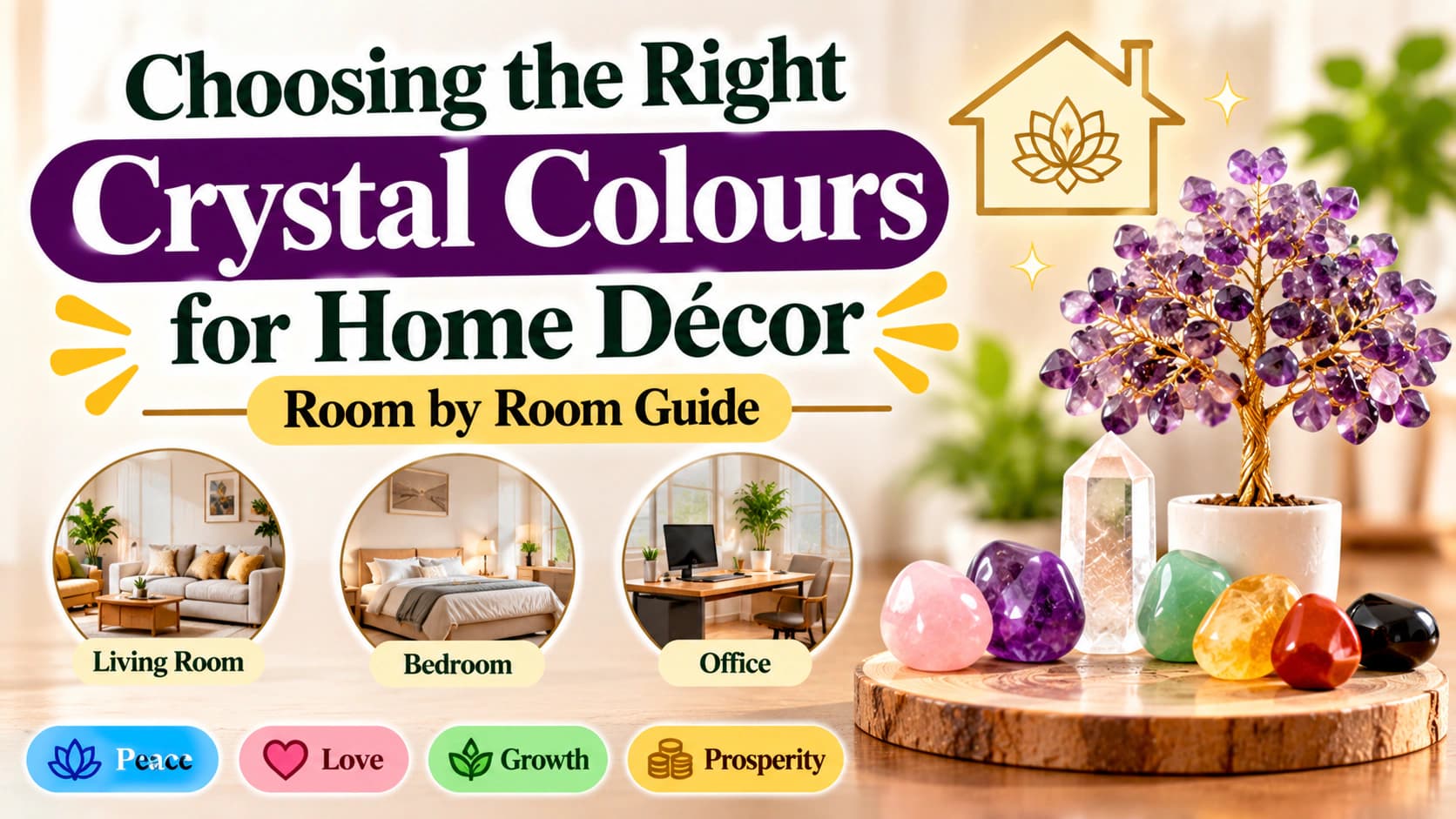
Discover how to choose crystal colours for home décor to enhance your space's energy and aesthetic. Explore styles, placements, and tips.
Read article