

Vastu4 min read
Vastu for Bathroom and Toilet: Traditional Layout, Direction and Ventilation Guidelines
Explore essential Vastu guidelines for bathrooms and toilets, focusing on layout, direction, and ventilation for a harmonious home.
Read article🎉 100% CASHBACK ON EVERY ORDER — SHOP NOW!
Discover essential Vastu principles for boundary walls and gates, focusing on height, direction, and design to enhance your home's energy.
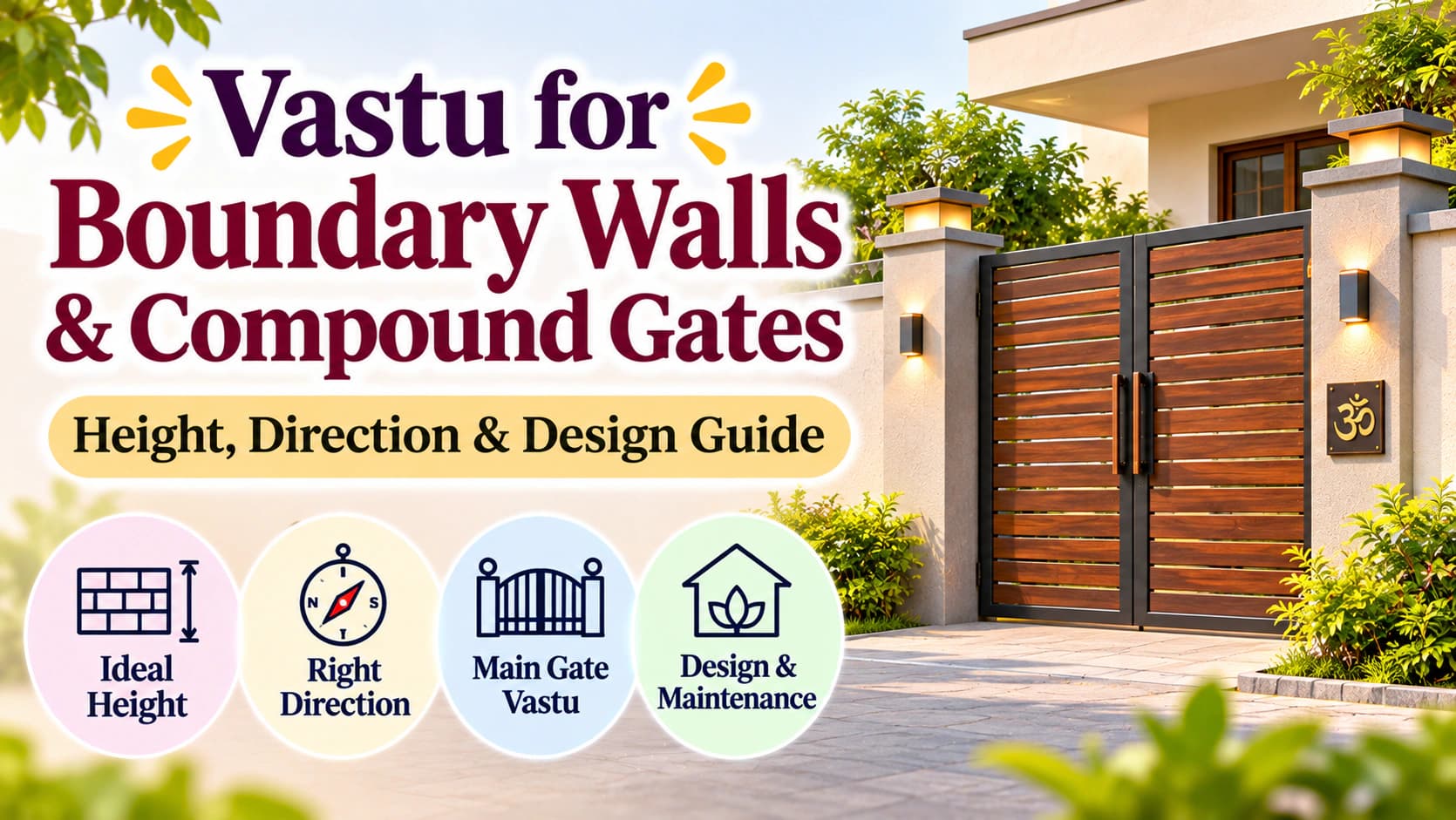
Understanding Vastu for boundary walls and compound gates is vital for homeowners and architects aiming to create harmonious living spaces. This comprehensive guide explores the ideal height, direction, and design aspects that align with Vastu principles, ensuring your home radiates positive energy.
Boundary walls serve as protective barriers and define property limits. According to Vastu Shastra, these walls also influence the energy flow around a home. A well-designed boundary wall can help maintain privacy, security, and a positive aura. It is traditionally believed that a strong boundary wall provides stability and prevents negative energies from entering the home.
The height of a boundary wall is crucial in Vastu. Generally, the recommended height ranges between 5 to 7 feet. A wall that is too low may not offer proper security, while one that is excessively high can create a feeling of confinement. The ideal wall height should promote safety without obstructing the view or natural light.
For instance, a bungalow in a crowded urban area may benefit from a 7-foot high boundary wall, ensuring privacy and security. Conversely, a house in a spacious rural setting could opt for a 5-foot wall to maintain an open feel.
According to Vastu, the direction of your boundary wall can significantly impact the energy flow. Ideally, boundary walls should be constructed in alignment with the cardinal directions. The south and west sides are usually recommended for higher walls, while the north and east sides can have lower walls.
When planning your boundary wall, use a compass to identify the exact cardinal directions. Ensure that the wall is constructed according to these directions to optimize energy flow. Consulting with a Vastu expert can also help in making informed decisions.
The design of a boundary wall should not only be functional but also aesthetically pleasing. Incorporating elements such as colors, materials, and patterns can enhance the wall's energy. Traditionally, earthy tones and natural materials like stone or wood are preferred in Vastu.
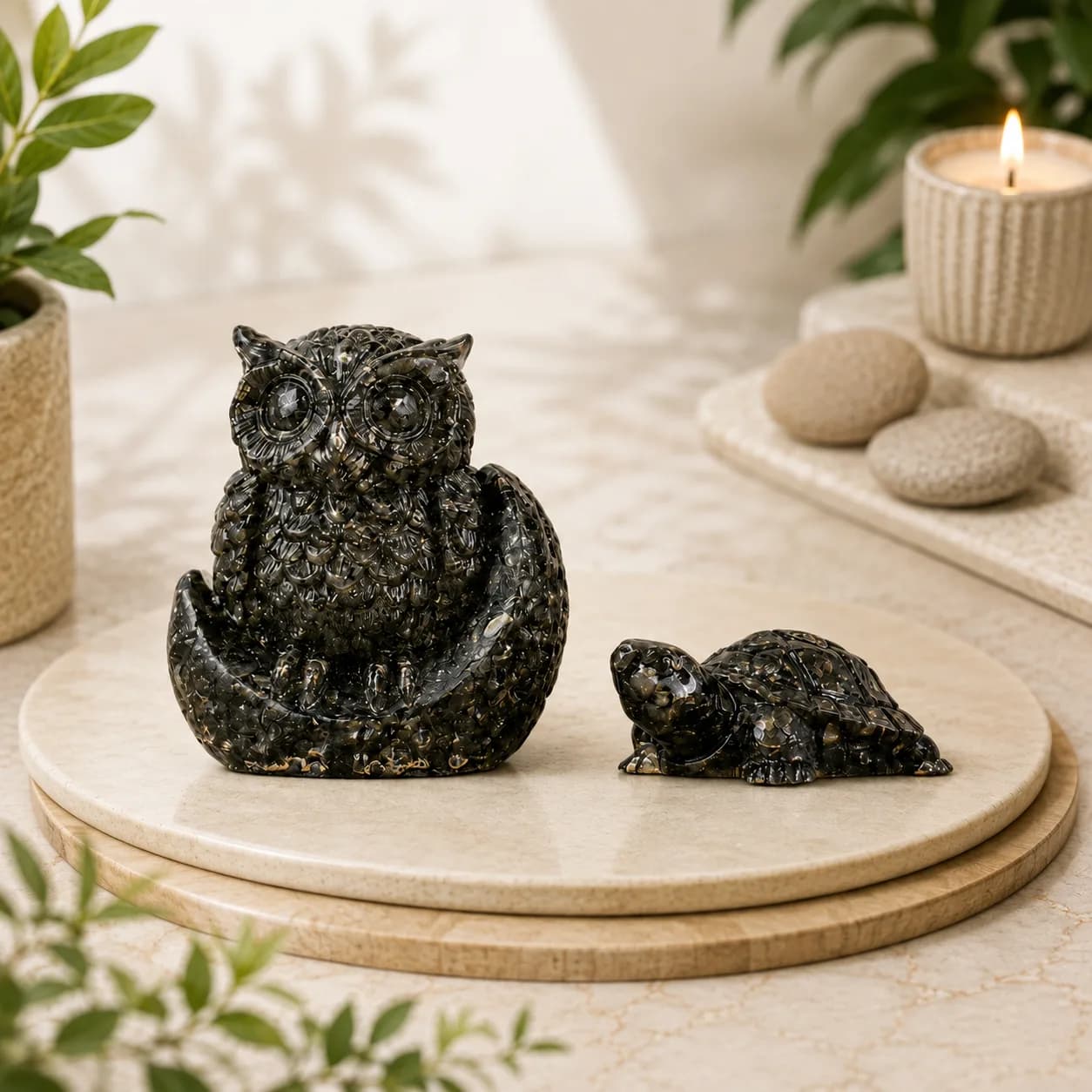
Consider integrating Vastu symbols into your wall design. For example, the Vastu Wealth Tortoise in Pyrite can be placed near the entrance to symbolize stability and wealth, enhancing the protective energy of the wall.
The main gate serves as the entry point to your home, and its placement is essential in Vastu. The gate should ideally face the north or east for maximum positive energy flow. It is believed that a well-aligned gate invites prosperity and happiness into the home.
When designing your main gate, consider the materials and colors. A wrought iron gate painted in earthy tones can enhance the aesthetic appeal while adhering to Vastu principles. Additionally, incorporating decorative elements like auspicious symbols can further enhance the gate's positive energy.
Adding decorative elements to your boundary wall can enhance its overall energy. Items such as plants, sculptures, or wall hangings can create a welcoming atmosphere. However, ensure that these elements align with Vastu principles.
Regular maintenance of boundary walls is crucial in Vastu. Cracks, dirt, or damage can disrupt the energy flow and invite negativity. Keeping walls clean and well-maintained is believed to promote a harmonious living environment.
Incorporating Vastu principles into your boundary walls and compound gates can significantly enhance the energy of your home. From the wall's height to its direction and design, each aspect plays a vital role in creating a harmonious living space. By adhering to these guidelines, homeowners can ensure their homes are not only beautiful but also energetically balanced.
For those looking to enhance their home’s energy further, consider incorporating the Vastu Wealth Tortoise in Pyrite, which is traditionally associated with stability and prosperity. Additionally, explore our collection of Vastu items for more ways to harmonize your living space.
The ideal height for a boundary wall, according to Vastu, ranges between 5 to 7 feet. This height provides security while allowing natural light and air to flow.
The best directions for placing a main gate are north or east. These directions are believed to attract positive energy and prosperity into your home.
You can enhance the energy of your boundary wall by keeping it clean, using Vastu-friendly colors, and adding decorative elements like plants and auspicious symbols.
Natural materials such as stone, brick, or wood are recommended for boundary walls in Vastu. These materials resonate well with nature and promote a harmonious environment.
It is advisable to maintain your boundary wall regularly, checking for cracks, dirt, or any damage. Keeping it well-maintained helps ensure a positive energy flow.
Explore essential Vastu guidelines for bathrooms and toilets, focusing on layout, direction, and ventilation for a harmonious home.
Read articleDiscover traditional guidelines for North-East Corner Vastu to enhance harmony and prosperity in your home.
Read article
Explore heartfelt and spiritual baby shower return gifts that create lasting memories for your guests.
Read article