



Vastu5 min read
Vastu for Garage and Parking Space: Layout, Entry & Practical Planning
Explore essential Garage Vastu tips for optimal layout, entry points, and practical planning to enhance energy flow in your parking space.
Read article🎉 100% CASHBACK ON EVERY ORDER — SHOP NOW!
Learn about Water Tank Vastu principles for proper placement in homes, ensuring harmony and optimal water storage.
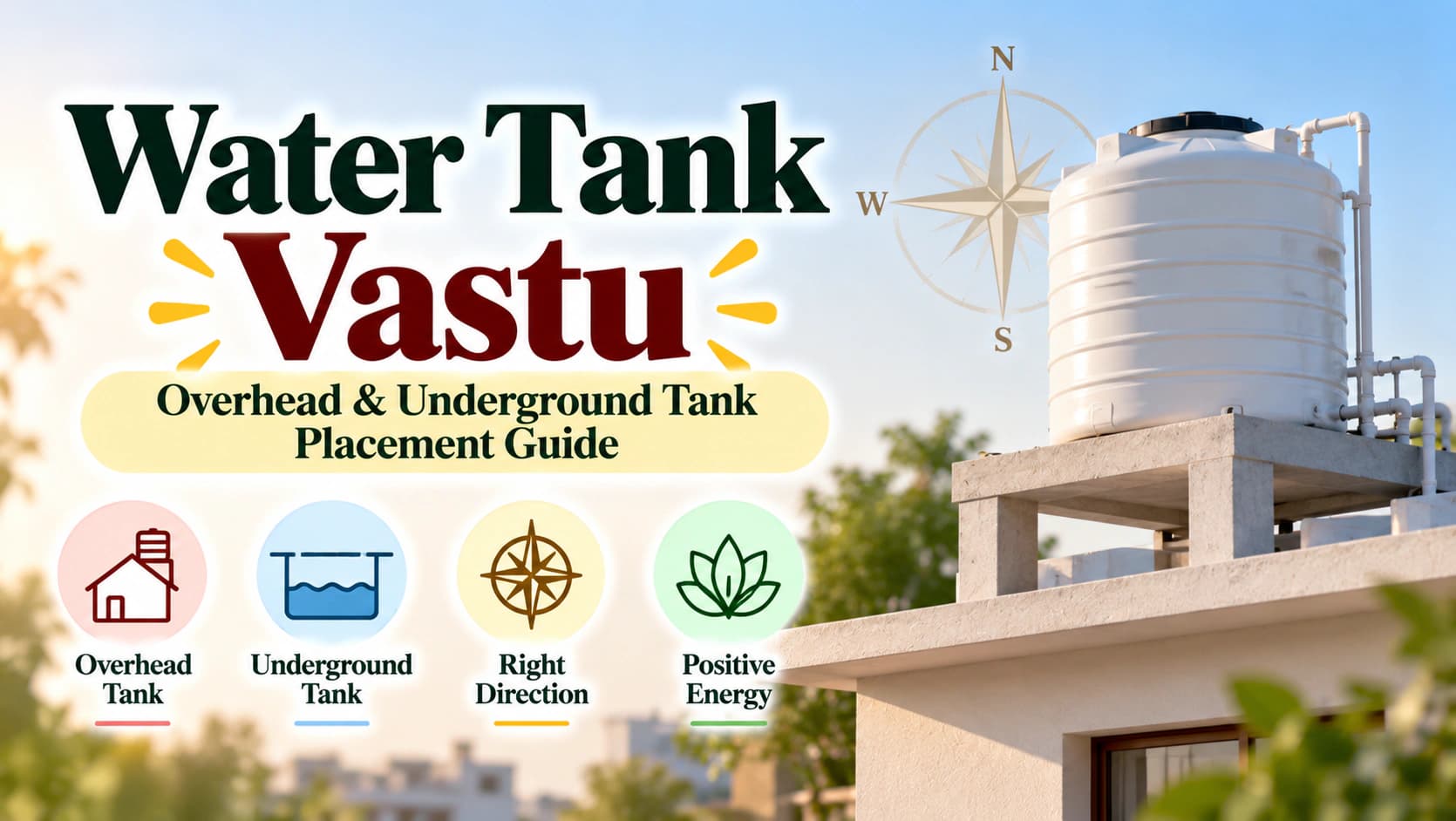
Water Tank Vastu is essential for homeowners planning water storage during construction or renovation. Proper placement of water tanks can promote harmony and positive energy in your home. This guide explores traditional considerations for both overhead and underground tanks to help you make informed decisions.
Water Tank Vastu refers to the principles of Vastu Shastra applied to the placement and direction of water tanks in residential spaces. Traditionally, it is believed that the right positioning of water tanks can enhance the flow of positive energy and ensure a balanced environment. Homeowners should consider various factors, including tank type, location, and direction, to align with Vastu principles.
The placement of water tanks is crucial as it affects not only the energy flow in your home but also the functionality of the water system. A well-placed water tank ensures easy access, proper drainage, and minimal risk of leaks or structural issues. Poor placement can lead to negative energy, which may affect the inhabitants' well-being.
The direction in which you place your water tank significantly impacts the energy flow in your home. According to traditional beliefs, the following guidelines should be considered:
When considering the overhead water tank, its placement can influence the overall energy of your home. Here are key points to remember:
Place the overhead tank in the southwest corner of the house. This traditional belief supports the notion of stability and strength. Additionally, this placement helps in maintaining a balanced weight distribution throughout the structure.
Avoid placing the tank directly above the main entrance or bedrooms, as this can create an imbalance in energy. If the tank is above a bedroom, it is believed to disrupt the peace and tranquility required for restful sleep.
Ensure that the size of the overhead tank is proportionate to the household's water needs. A tank that is too small may lead to frequent water shortages, while an oversized tank can create unnecessary weight on the structure.
For underground water tanks, Vastu Shastra emphasizes specific locations for optimal energy flow:
Position underground tanks in the north or northeast. This is believed to attract auspicious energy and promote well-being. The northeast is particularly auspicious as it is considered the direction of water and prosperity.
Ensure the underground tank is constructed with proper materials and techniques to avoid leakage, which can disrupt Vastu energies. Using waterproof materials and ensuring proper sealing is vital for maintaining the integrity of the tank.
The depth of the underground tank should be sufficient to store an adequate water supply while also being easily accessible for maintenance. Regular checks and cleaning are essential to avoid stagnation and maintain water quality.
Effective water storage is crucial in Vastu Shastra. Key considerations include:
Use high-quality materials for your water tanks, as this is thought to preserve the purity of water and, consequently, the energy in your home. Tanks made from materials like concrete or food-grade plastic are preferred for safety and durability.
Routine checks and maintenance of the tanks are essential to ensure that the water remains clean and the energy flow is not obstructed. Cleaning the tank at least twice a year is advisable to prevent algae growth and contamination.
The pipes connected to the water tank should also be placed in accordance with Vastu principles. Ideally, they should run in a straight line without bends, as this is believed to facilitate the smooth flow of energy.
Rooftop tanks require careful planning to align with Vastu principles:
Ensure the rooftop tank does not overload the building structure, which can lead to structural problems. Consult with a structural engineer to determine the weight limits of your rooftop.
Use robust and reliable support structures to avoid any negative implications on the energy of the home. Reinforced supports can help in evenly distributing the weight of the tank.
While functionality is key, also consider the aesthetic aspect of rooftop tanks. Ensure that they are well-integrated into the overall design of your home, possibly using decorative covers or enclosures that match your home’s architecture.
Incorporating traditional home Vastu principles can significantly impact the energy flow:
Ensure that the water tank's placement harmonizes with other elements of your home layout, promoting an overall balance. The tank should not obstruct natural light or airflow in the home.
Consider the proximity of other utilities such as bathrooms and kitchens, as these can influence the effectiveness of water storage and flow. For instance, placing the tank near the kitchen can facilitate easier access to water for cooking.
Integrate natural elements around the water tank area, such as plants or small fountains, to enhance positive energy. This connection with nature is believed to bring tranquility and peace to the surroundings.
Effective planning is key to aligning your water tank with Vastu principles:
Engaging a Vastu consultant can provide personalized advice, ensuring your water tank adheres to traditional guidelines. They can assess your home layout and suggest the most suitable locations for your tanks.
Visualize how the water tank will integrate with your home’s overall aesthetic while adhering to Vastu principles. Consider factors such as visibility and accessibility when planning the layout.
Before proceeding with installation, ensure that you have the necessary documentation and permits as required by local regulations. This can help avoid future complications during inspections.
When planning for water tanks, avoid these common pitfalls:
Neglecting the recommended directions can lead to disrupted energy flow and potential issues in the household. Always refer to Vastu guidelines during planning.
Choose a tank size that meets your needs without overwhelming the space, as this can create imbalance. It is advisable to calculate your household's water requirements before deciding on a tank size.
Failing to maintain the water tank can lead to contamination and structural issues. Establish a regular maintenance schedule to ensure the tank remains in good condition.
Water Tank Vastu plays a crucial role in ensuring that your home’s water storage aligns with traditional principles. By considering the placement, direction, and type of water tank, you can create a harmonious living environment. Remember to consult with experts and plan accordingly to achieve the best results.
For enhancing the energy flow in your home, consider incorporating items like the Raw Selenite Plate for cleansing energies or the Vastu Pyrite Tortoise to attract prosperity. Additionally, explore our blog on Vastu for Windows to learn more about optimizing your home's energy flow.
Water Tank Vastu refers to the traditional principles of Vastu Shastra applied to the placement and direction of water tanks in homes, aimed at promoting positive energy.
According to Vastu principles, it is ideal to place your overhead water tank in the southwest corner of your home for stability and balance.
For underground water tanks, the north or northeast direction is recommended to attract auspicious energy and ensure effective water storage.
To align your water tank with Vastu principles, consider consulting a Vastu expert and carefully planning its placement and direction based on traditional guidelines.
Common mistakes include ignoring Vastu directions, choosing an improper tank size, and not considering the tank's impact on the overall energy flow in your home.
Explore essential Garage Vastu tips for optimal layout, entry points, and practical planning to enhance energy flow in your parking space.
Read article
Discover essential Window Vastu principles for optimal direction, ventilation, and natural light in your home.
Read article
Explore the differences between Citrine and Green Aventurine, including their appearance, traditional meanings, and care tips for crystal enthusiasts.
Read article