


Vastu4 min read
Vastu for Bathroom and Toilet: Traditional Layout, Direction and Ventilation Guidelines
Explore essential Vastu guidelines for bathrooms and toilets, focusing on layout, direction, and ventilation for a harmonious home.
Read article🎉 100% CASHBACK ON EVERY ORDER — SHOP NOW!
Discover traditional Vastu principles for septic tank and drainage placement to ensure harmony in your home. Learn the best directions and tips.
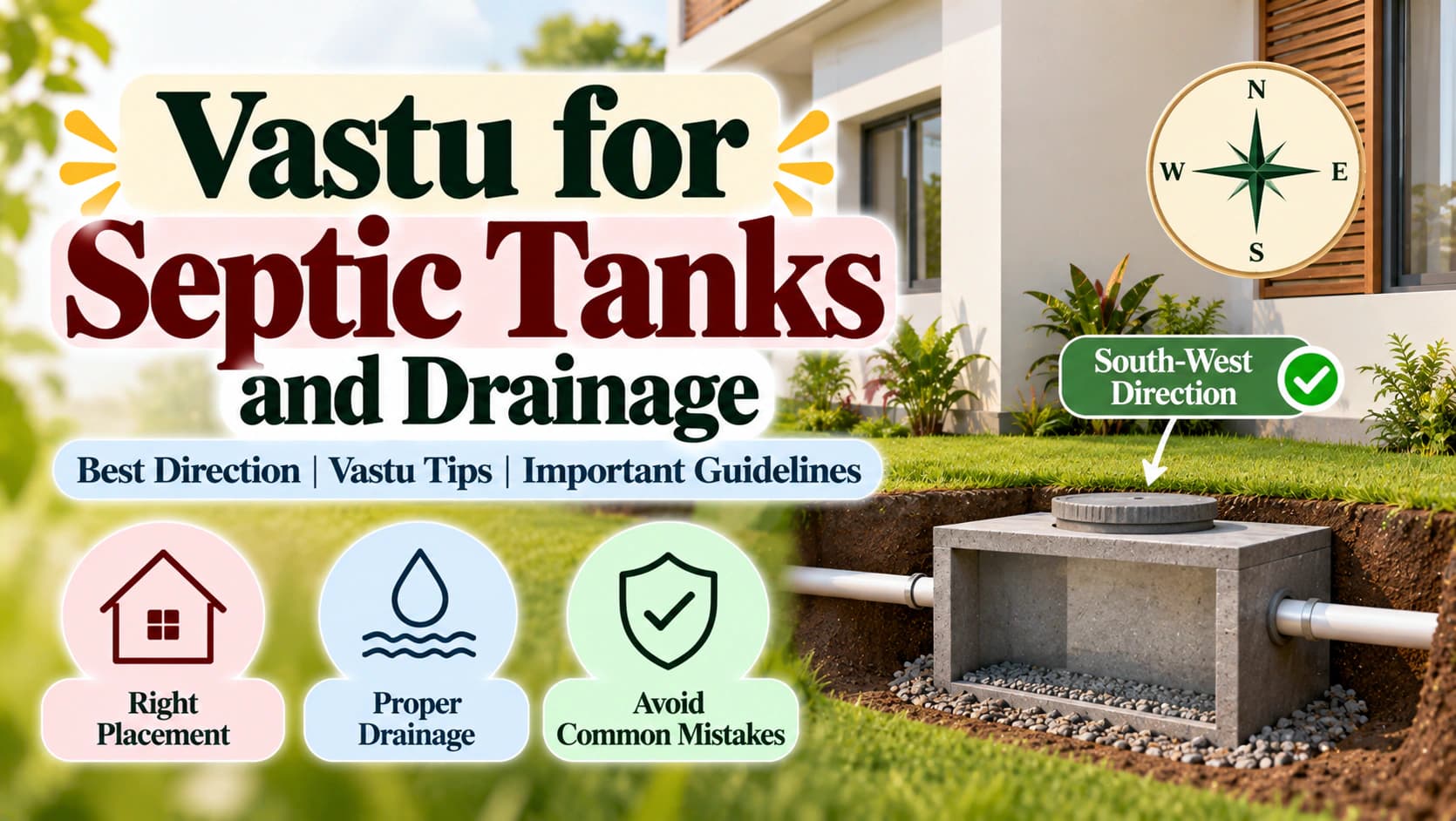
Understanding Vastu for septic tanks is essential for homeowners and those planning construction. Proper placement can help maintain harmony, ensuring that the septic system functions efficiently while promoting a positive environment. This guide explores traditional Vastu principles for septic tanks and drainage, offering insights on optimal directions and considerations.
Vastu Shastra is an ancient Indian architectural science that emphasizes harmony between nature and human dwellings. It provides guidelines for constructing homes and commercial spaces, ensuring a balanced flow of energy. By following Vastu principles, homeowners can enhance their well-being, prosperity, and peace of mind.
Septic tanks play a crucial role in waste management, and their placement is vital in Vastu. A well-placed septic tank can prevent negative energy accumulation and promote a clean environment. Traditionally, septic tanks are believed to influence the overall energy of a home, making it essential to consider their location carefully.
The direction of the septic tank is paramount in Vastu. As mentioned earlier, placing septic tanks in the southwest or south of the property can minimize negative energy and promote stability. Some practitioners suggest avoiding the northeast direction, as it is associated with positive energy and should remain unobstructed.
Proper drainage is vital for any home, and its Vastu placement is equally important. Traditional beliefs suggest that drainage systems should ideally flow towards the northeast or east. This positioning is thought to facilitate the flow of positive energy throughout the property.
The outlet for wastewater is another critical aspect of Vastu. It is generally advised to place wastewater outlets in the southeast direction. This placement is believed to promote the effective disposal of waste and maintain the overall energy balance in the home.
When planning home construction, integrating Vastu principles can enhance the overall energy of the space. It's essential to consider the placement of septic tanks and drainage systems early in the design phase.
While implementing Vastu for septic tanks and drainage, certain common mistakes can hinder the desired outcomes. Awareness of these pitfalls can help ensure a smoother process.
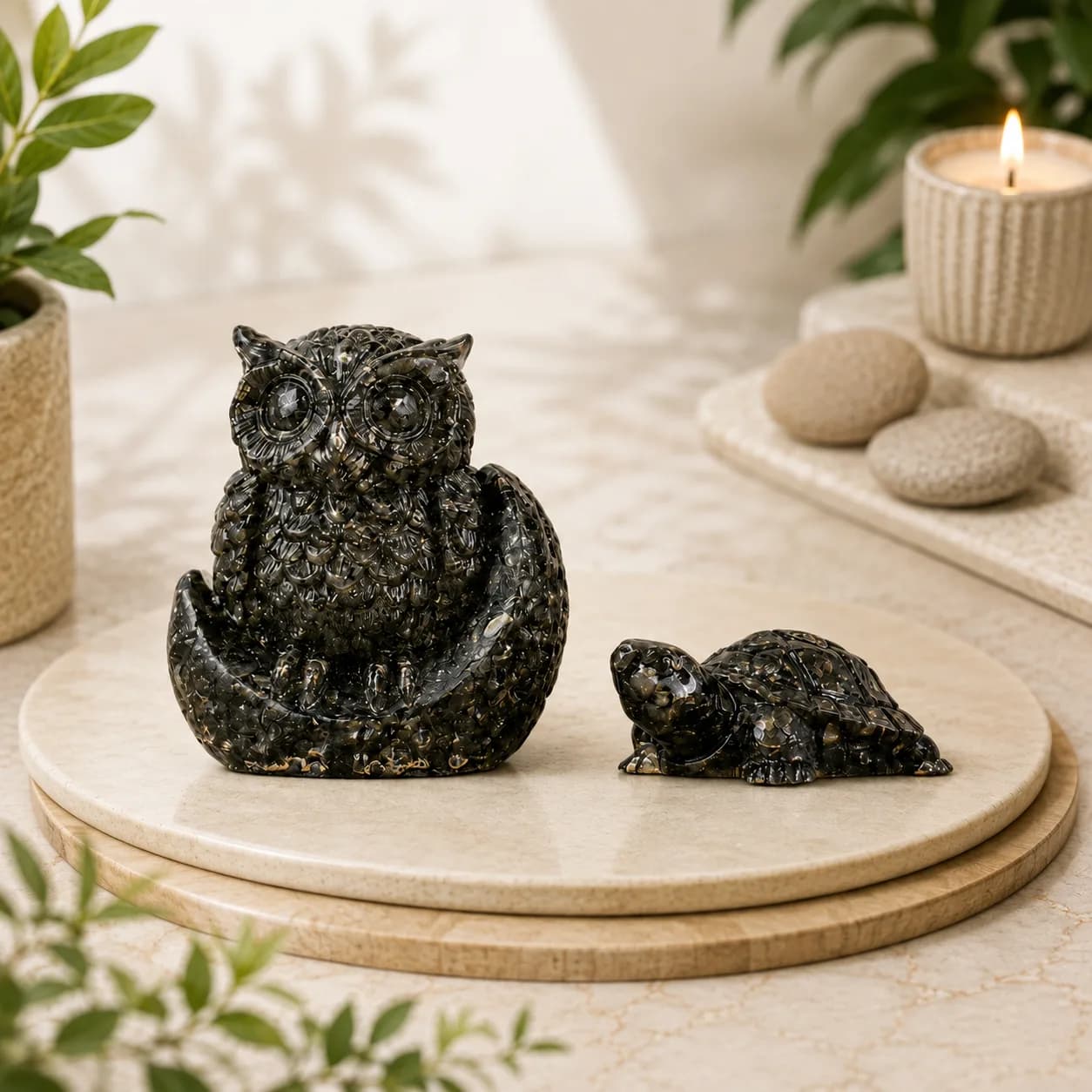
Incorporating crystals and symbolic items can enhance the Vastu energy in your home. For instance, using a Raw Selenite Plate can help cleanse the space of negative energy. Similarly, placing a Dhan Lakshmi Bracelet with Vastu Pyrite Tortoise can attract prosperity and stability.
Implementing Vastu principles for septic tanks and drainage is crucial for homeowners aiming to create a harmonious living environment. By considering traditional placement guidelines and avoiding common mistakes, individuals can enhance their home's energy flow. For further insights on Vastu, you may explore our guide on Vastu for Water Tanks and Vastu for Staircase.
Vastu for septic tanks refers to traditional principles guiding their placement to ensure harmony and effective waste management in homes.
Traditionally, septic tanks should be placed in the southwest or south direction to promote stability and minimize negative energy.
Proper drainage placement, ideally in the northeast or east, helps facilitate positive energy flow and prevents stagnation around the home.
Common mistakes include poor planning, ignoring maintenance, and not considering local regulations which can hinder effective waste management.
The placement of wastewater outlets is crucial as it influences waste disposal efficiency and the overall energy balance in the home.
Explore essential Vastu guidelines for bathrooms and toilets, focusing on layout, direction, and ventilation for a harmonious home.
Read articleDiscover traditional guidelines for North-East Corner Vastu to enhance harmony and prosperity in your home.
Read article
Explore heartfelt and spiritual baby shower return gifts that create lasting memories for your guests.
Read article